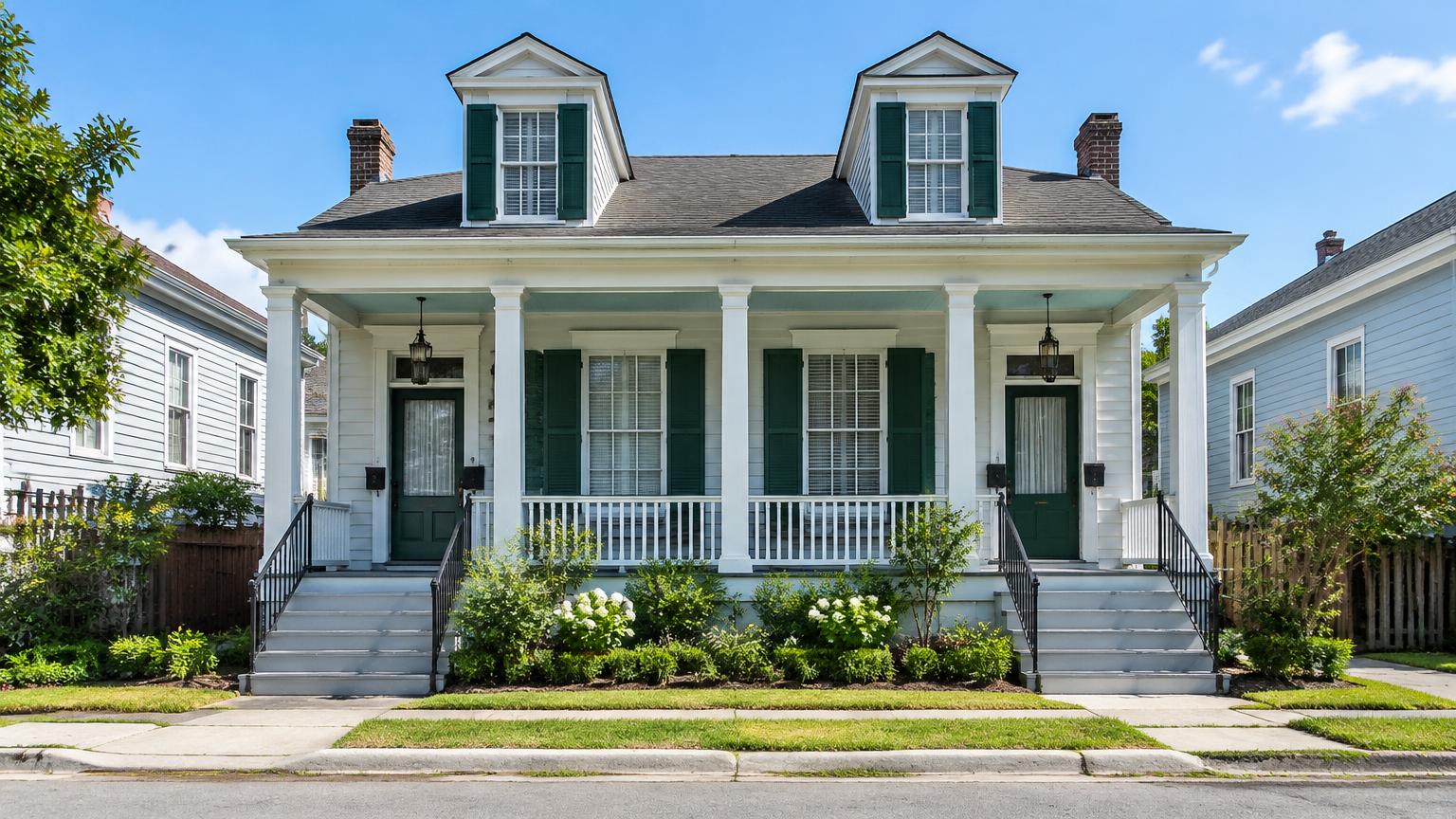
Coverage for the property—and the income it earns
A rental home needs insurance designed for a landlord, not simply a homeowners policy intended for a home you live in. We compare options for the building, landlord-owned property and premises liability, with coverage subject to your insurer’s terms and exclusions.
Loss of rent coverage can help replace rental income when a covered loss makes a property uninhabitable. It does not generally cover a tenant failing to pay rent or an ordinary vacancy. We review the waiting periods, limits and covered causes of loss with you.
Wind, roofs and deductibles deserve a closer look
In Louisiana, the premium is only part of the comparison. Check whether wind and hail are included, whether a hurricane deductible is a percentage of the insured building value, and how the policy settles a roof claim.
A newer roof or qualifying wind mitigation may improve your options. Tell us the year each roof was replaced so we can check available credits. Flood is generally excluded from property policies and requires separate coverage; we can explain what your rental property policy does and does not cover.
One rental or a growing portfolio
Whether you own a single rental, a double or several properties, we review the addresses together. Where available, a portfolio policy and a shared renewal date can simplify administration. In other cases, separate policies offer a better fit.
We compare the insured value, annual premium, deductibles and income protection—not just the lowest number. Tell us about occupancy, property condition and any short-term rental use, since those details can change eligibility.
Susan and John: how 4 rental properties stayed in the family
Susan and her husband John had been building their rental portfolio in South Louisiana for over a decade. Four properties — solid, well-maintained doubles and singles that were supposed to be their retirement nest egg.
Then the last few renewals hit. Between soaring premiums and separate wind deductibles, insurance wasn’t just a line item anymore — it was eating up nearly all of their monthly cash flow. Every rent check was going right back out the door.
Susan called our office one afternoon, completely frustrated: “Tim, we love our tenants and we love these properties, but between taxes and insurance, we’re barely breaking even. If rates jump again this year, John and I are going to have to sell them all.”
The post-Ida advantage most landlords miss
When Hurricane Ida blew through South Louisiana in 2021, Susan and John had to put brand-new roofs on all four properties. It was a stressful year, but that investment created an opportunity their insurance company never told them about.
Many Louisiana insurers offer meaningful wind and hail discounts for roofs replaced after 2020, and newer roofs open the door to carriers that won’t write older properties. Susan and John were still on old, high-rate policies that never gave them credit for those new roofs.
Four headaches turned into real savings
Instead of treating each house on its own, we reviewed all four properties together:
1. Applied full roof credits. We verified the 2021 roof dates on all four addresses to capture every discount available.
2. Re-shopped with multiple companies. Because we’re independent, we matched each property with the company offering the best rate for that ZIP code.
3. Protected their rental income. We made sure each policy included loss of rent coverage, so if a covered storm leaves a unit uninhabitable, the income doesn’t dry up.
Cash flow restored
When we finished, Susan and John were saving thousands of dollars a year across their properties. Most importantly, they didn’t have to put “For Sale” signs in their front yards.
John stopped by our Evans Road office a few weeks later just to say thanks: “You didn’t just save us money on insurance, Tim. You saved our retirement plan. We’re holding onto every one of those houses.”
Rental Property Insurance FAQ
Is landlord insurance the same as homeowners insurance?
No. Landlord insurance is designed for a property rented to others, while a standard homeowners policy usually assumes you live in the home. Tell your agent how the property is used so the policy matches its occupancy.
Can you review multiple rental properties together?
Yes. Share each address and we can compare options across your portfolio. A combined policy or common renewal date may be available, depending on the insurer and the properties.
Does rental property insurance include hurricane damage?
It depends on the policy. Wind and hail may be included, excluded or written separately, and a hurricane deductible may apply. We check these details when comparing options.
What should I have ready for a rental insurance review?
Start with the property addresses, number of units, roof replacement years and current renewal notices. Your existing declarations pages help us compare building limits, deductibles, liability and loss of rent coverage.
Are short-term rentals covered?
Not automatically. Short-term stays, vacant properties and renovation projects may require different insurance. Tell us the occupancy and intended use before assuming a standard landlord policy applies.